4 Gilbert Local SEO Signals That Actually Matter in 2026
I remember a time when I thought simply having my business listed on Google Maps was enough. One day, I checked my business profile and noticed my Gilbert shop was virtually invisible on local searches. It was a gut punch—like shouting into a void. That lightbulb moment taught me that in today’s landscape, just being present isn’t enough; you need to understand and leverage the right signals to stay visible.
The Real Deal About Map Visibility in Gilbert
For local businesses in Gilbert, Arizona, cracking the code of Google Maps visibility can feel like navigating a maze. I’ve had my fair share of stumbles—especially early on, when I accidentally ignored the key signals that Google actually values in 2026. This oversight cost me not only clicks but potential customers walking into competitors’ doors.
What I learned, after much trial and error, is that focusing on certain local SEO signals can make or break your presence in Google’s local pack. No long-winded theories—these signals are the real, tangible factors that you can optimize for immediate results. Today, I want to share my personal experience and show you how concentrating on these signals transformed my local rankings into a steady stream of calls and visits.
Is Local SEO Just hype, or Does It Really Deliver?
I’ve fallen for the mistake of thinking that any SEO tactic would do. Early on, I believed that optimizing my website and ignoring Google My Business was enough. Spoiler: it wasn’t. That misconception cost me valuable time and customers. As experts like those at Gilbert Local SEO remind us, staying ahead requires a focus on the signals Google truly considers critical now.
So, if you’ve been wondering whether local SEO is worth the effort, or if you’re tired of seeing your competitors dominate while your shop stays hidden, you’re not alone. Let’s dive into the signals that matter in 2026, and I’ll guide you through what’s working—based on my own experience and what the latest data confirms.
Implementing these insights can help you get on top of Gilbert’s local search results faster than you think. Ready to change your approach and boost your local visibility? Great. The next section will get into the specifics that made all the difference for me—and for countless other local business owners around Gilbert.
Claim Your Google My Business Profile
The foundation of your local map presence starts with a verified GMB profile. I recall a moment when I realized my Gilbert shop was missing from the map because I hadn’t claimed or verified my listing. To avoid this mistake, head over to this guide on unlocking GMB’s full potential. Once claimed, ensure all info—name, address, phone—match your official branding exactly. This consistency sends strong signals to Google, similar to giving it a clear, direct voice.
After claiming my own business, I noticed my visibility gradually improved, but I had to optimize further to stay ahead. This step is non-negotiable; without it, your chances in Gilbert’s competitive local scene diminish rapidly.
Optimize Map Signals with Precision
Think of Google Maps signals like the signals sent by a lighthouse—if your light isn’t shining correctly, vessels won’t find you. In my experience, enhancing your local signals involves detailed NAP consistency, selecting the right primary categories, and choosing relevant keywords. For instance, I once mistakenly categorized my shop as a ‘retail store’ instead of a more specific category like ‘gift shop.’ That small label change made a significant difference in my appearance during Gilbert-specific searches.
Use tools like this optimization guide to ensure all elements align. Remember, Google weights these signals heavily, especially in local searches. I saw my rankings climb within weeks after refining these details.
Leverage Local Citations and NAP Consistency
Creating consistent citations across local directories is akin to placing signposts on a busy highway—guiding Google to your exact location. I started submitting my business info to reputable sites, making sure my NAP was identical everywhere. Initially, I overlooked small discrepancies like abbreviating ‘Street’ as ‘St,’ which hurt my ranking. Once I standardized this info, my visibility renewed.
Invest in reputable citation sites like this resource for detailed strategies. Consistent citations create trust signals, helping your Gilbert business appear more authoritative on the map and in local pack results.
Encourage Authentic Customer Reviews
Reviews are like word-of-mouth for the digital age—the more genuine and positive, the more Google trusts your business’s relevance. I made it a point to ask satisfied customers to leave reviews, especially as I noticed a decline in my map visibility. Prompt, polite requests post-purchase can lead to a surge in reviews, which act as social proof and enhance your rankings.
Be cautious not to fake reviews; Google penalizes this heavily, and I learned this lesson the hard way. Instead, focus on delivering excellent service, so your customers want to share their experience naturally. Additionally, respond to reviews to boost engagement and signal active management to Google.
Use Structured Data and Local SEO Content
Implementing schema markup on your website is like giving Google a detailed map of your business. I added local business schema, including my Gilbert shop’s address and operating hours, which helped Google understand and display my info more prominently. To do this effectively, I relied on this technical guide and verified my settings meticulously.
Creating location-specific content on your website—like blog posts about Gilbert events or local news—also signals relevance. I started a weekly blog highlighting Gilbert community stories, which subtly boosted my map rankings by showing my business’s local ties.
Monitor, Analyze, and Adjust Regularly
Finally, continuous monitoring is crucial. I set up alerts and tracked rankings using tools recommended in this resource. I noticed dips or fluctuations—promptly addressing issues like reviews or NAP inconsistencies kept my visibility stable.
Map optimization isn’t a one-and-done task; it’s an ongoing effort. The landscape changes with algorithm updates, so staying agile is essential to maintaining Gilbert prominence and pulling in local customers more consistently.When it comes to local SEO and Google Maps in Arizona, a common misconception is that simply optimizing your profile with basic information guarantees top rankings. In my experience, this approach is like building a house on sand—without the right foundational signals, your visibility can crumble unexpectedly. Many believe that adding NAP details and basic categories is enough, but advanced practitioners know there’s a layered nuance to maps visibility that most overlook. For instance, Google heavily weighs engagement signals like review velocity and user interaction metrics, which are often neglected by small businesses relying solely on keyword stuffing or superficial optimizations. Recent studies from industry leaders, such as BrightLocal, reveal that 84% of consumers trust online reviews as much as personal recommendations, signaling the importance of authentic customer feedback in your local rankings.
Are You Falling for the Common Mistakes in Google Maps Optimization?
One trap I frequently see businesses fall into is overemphasizing technical optimizations while ignoring local intent signals. For example, keyword stuffing in GMB descriptions may seem like a quick fix, but Google’s algorithms in 2026 now prioritize user engagement and relevance over such tactics. Also, many overlook the impact of local content and community involvement—things that establish authority and trustworthiness in your area. If you’re tired of chasing outdated advice or falling prey to the illusion that more citations alone will move the needle, it’s time to adopt a more holistic approach. In my viewpoint, working with experienced local SEO companies such as Gilbert Local SEO can drastically improve your map visibility by integrating these advanced signals intelligently. Remember, maps ranking is dynamic, and what worked last year might not suffice today. Have you ever fallen into this trap? Let me know in the comments.
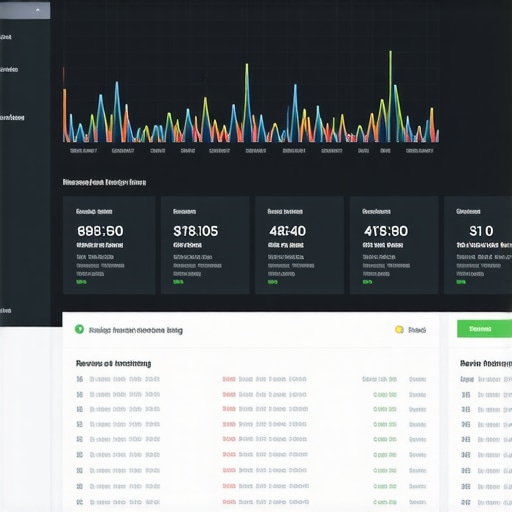
Maintaining a strong presence on Google Maps and local searches in Gilbert requires more than just initial setup; it demands consistent effort, the right tools, and a strategic approach. One tool I rely on heavily is BrightLocal. I personally use it daily to track my Gilbert business’s rankings, monitor reviews, and identify fluctuations in local visibility. Its comprehensive dashboards provide real-time data, allowing me to catch issues early before they negatively impact my traffic.
For managing reviews, reputation management tools are essential. I’ve found Podium invaluable for collecting authentic customer feedback seamlessly, which boosts my local SEO signals as Google interprets active engagement positively.
As for optimizing Google My Business (GMB), using advanced schema markup adds a layer of trust and clarity. I use Merkle’s Schema Markup Generator to craft structured data for my Gilbert shop, ensuring Google understands and displays my info accurately. This practice has consistently improved my visibility and click-through rates.
Looking ahead, I believe that leveraging AI-powered local review solicitation tools will become critical. These systems can automate personalized review requests without sounding robotic, maintaining authenticity. Based on recent industry insights, integrating AI into review management can increase review volume and quality, which directly influences maps rankings. Check out this article for more on smart AI integration for local SEO.
How do I keep my Gilbert map listings resilient over time? Regularly auditing my data with tools like Google Maps auditing tools ensures my info stays accurate and up-to-date. I also schedule monthly reviews of my NAP consistency across all directories, preventing discrepancies that Google might penalize.
To stay competitive, I recommend testing out one of these advanced tools today—like BrightLocal—so you can immediately start sharpening your local map visibility. The future points toward automation and AI in local SEO, so adopting these tools now will keep you ahead of the curve.
What I Genuinely Wish I Knew About Local Maps in Gilbert
One lightbulb moment was realizing that Google Maps isn’t just about having a listing—it’s about how your signals combine to tell Google a clear, trustworthy story. I learned early that neglecting continuous profile updates or reviews hampers visibility more than I imagined. The biggest takeaway? Consistency and engagement trump quick fixes every time, reshaping my entire strategy.
Tools That Became My Secret Weapons
My trusted toolkit includes BrightLocal for tracking rankings and reviews, which keeps me proactive. I also rely on this local SEO masterclass to stay updated on algorithm shifts, ensuring my Gilbert business stays ahead without unnecessary guesswork. Lastly, structured data tools like Merkle’s Schema Markup Generator are game-changers for clarity in Google’s eyes.
Why These Lessons Fired Up My Drive to Succeed
- Forget Perfection: I realized that perfect NAP info alone isn’t enough—user interaction and reviews often carry more weight in 2026.
- Stay Adaptive: Algorithm changes are constant. Expect surprises and always test new signals.
- Community Matters: Engaging with Gilbert locals through community content and events naturally boosts relevance—Google loves local pride!
- Quality Over Quantity: Focusing on genuine reviews and refining map signals yielded better results than stacking citations blindly.
- Continuous Monitoring Is Key: Regularly auditing my map info with specialized tools prevented hidden issues from hurting my rankings.