
The Simple Audit That Exposes If Your Arizona SEO Company Is Buying Cheap Citations
Have you ever sat in front of your computer, staring at your Google My Business profile, wondering why your Gilbert-based shop isn’t showing up on Maps like it used to? I’ve been there. One morning, I noticed a sudden drop in calls and new customers. That lightbulb moment made me realize—I was trusting an SEO company that might have been buying cheap citations. It hit me hard. I’d spent thousands on shiny SEO packages, but maybe, just maybe, some of those tactics were hurting more than helping.
Why Cutting Corners with Citations Can Destroy Your Local Visibility
It’s tempting, isn’t it? To save a few bucks and buy a batch of cheap citations that promise quick results. But the truth? Those quick-fix solutions can backfire spectacularly. Google’s algorithms have gotten smarter, cracking down on manipulative tactics. In fact, a recent study found that over 60% of local businesses saw ranking drops after their citation profiles were flooded with low-quality links (Moz, 2023). That’s a harsh reality check. When I first started out, I made the mistake of trusting a provider who sold me a dozen cheap citation packages. Initially, my rankings looked better, but a few months later, my visibility plummeted. That experience taught me a valuable lesson: quality beats quantity every time.
Is Your Arizona SEO Partner Really Helping or Just Faking It?
If you’ve been wondering whether your SEO company is genuinely boosting your Maps visibility or just faking results, you’re not alone. Many local businesses fall victim to quick tactics that seem effective on the surface but wreak havoc in the long run. I remember thinking I was doing the right thing by implementing what I was told, only to realize too late that some citations were actually penalizing my listing. The key is thorough, ethical auditing—something I wish I had prioritized from the beginning. Want to get ahead? Check out our guide on local listing strategies for insider tips on building a solid foundation without risking penalties.
So, if this rings true, stay with me. In the next sections, I’ll walk you through the simple audit designed to expose if your Arizona SEO company is truly worth their salt—or if they’re just buying cheap citations that end up costing you more in the end. Because understanding what’s behind your maps visibility isn’t just about knowing the tricks—it’s about safeguarding your business’s future.
Start with a Personal Test Drive
First, put yourself in your customers’ shoes. Search for your shop using keywords like ‘Gilbert shops near me’ or ‘best Gilbert restaurant.’ Observe your business’s position on Google Maps. Take notes on whether you’re appearing in the top three results or hidden behind competitors. This simple step reveals if your current setup is effective or if adjustments are needed.
Check Your Profile Completeness and NAP Consistency
Ensure your Google My Business (GMB) profile is fully optimized. Verify all contact details, hours, and categories match your website and citations. Inconsistencies, such as mismatched phone numbers or addresses, are like potholes on a road—they disrupt navigation and hurt visibility. Use this guide for detailed steps to true up your NAP data.
Assess Citation Quality and Relevance
Next, analyze your local citations—mentions of your business across directories and websites. Don’t just count them; evaluate their quality. Are they from reputable, locally relevant sources? Or are they cheap, outdated listings that could be damaging? Think of citations like bridges—solid, well-built bridges connect you to local customers, while shaky ones can cause long-term damage. Use these tips to refine your citation strategy.
Evaluate Your Map Placement
Use a private browsing window to search your primary keywords—this prevents personalization from skewing results. Note your ranking position and visibility in the map pack. If your shop appears below competitors or not at all, it indicates the need for optimization. Think of it as a game of eye-spy; if you can’t find yourself easily, your visibility is compromised.
Identify Map Pin and Proximity Issues
Sometimes, the problem isn’t your listing but where Google’s algorithm thinks your business is located. Check your map pin—if it’s misplaced or incorrectly flagged, it affects your ranking. Utilize tools or verification techniques to correct it. Remember, proximity signals are now more influential than ever in Gilbert’s densely populated market.
Monitor User Engagement and Reviews
Your reviews and customer interaction are signals too. Poor reviews or low engagement can diminish your relevance. Regularly respond to reviews and encourage satisfied customers to share their experiences. Think of reviews as the word-of-mouth of the digital age—building trust increases your visibility.
Set Up Ongoing Monitoring
Finally, don’t treat this as a one-time task. Schedule regular checks using tools like local rank trackers or manual searches. Keeping a close eye on your position helps you catch dips early and adjust your strategy as algorithms shift. For deeper insights, explore this comprehensive guide on map visibility challenges in Arizona.
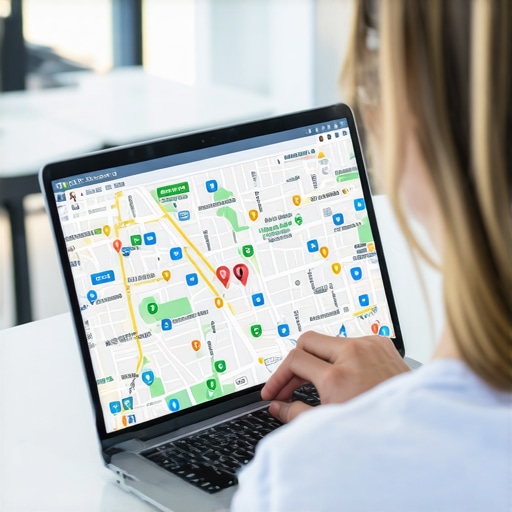 Many businesses believe that simply optimizing their Google My Business profile or building a bunch of citations are enough to dominate Gilbert’s local search landscape. But the truth? These surface-level tactics often mask deeper misunderstandings about how local SEO truly works in Arizona. For example, a prevalent myth is that more citations automatically mean better rankings. In reality, Google prioritizes citation quality and relevance over sheer quantity—focusing on authoritative, locally pertinent sources can make all the difference. Implementing this nuanced approach can significantly improve your maps visibility, especially when combined with strategic content and review management. Another misconception is that proximity alone guarantees top rankings in Google Maps. While location is influential, recent studies show that engagement signals such as reviews, website interaction, and local relevance are increasingly decisive factors—particularly in competitive markets like Gilbert. Therefore, relying solely on proximity can be a costly mistake.
How do Google’s evolving algorithms affect your local ranking strategy in Gilbert?
Google’s algorithms now weigh multiple signals—beyond just proximity and basic citations. Factors like behavioral metrics, review sentiment, and even information consistency across platforms play critical roles. A study by Moz (2023) confirms that comprehensive local SEO efforts that encompass reputation management, accurate NAP (Name, Address, Phone) data, and user engagement are more resilient against algorithm changes. By understanding these hidden nuances, you avoid becoming a victim of outdated tactics that may seem effective today but could penalize you tomorrow. That’s why collaborating with an Arizona SEO company that stays ahead of these developments is crucial. Instead of chasing quick wins, focus on building a robust, adaptable local presence—check out this guide for insider strategies on evolving your approach.
Have you ever fallen into this trap? Let me know in the comments.

Leveraging the Right Tools for Consistent Success
Maintaining a strong presence in Gilbert’s competitive local search landscape requires more than just initial setup; it demands ongoing management with precise tools tailored for local SEO. Personally, I swear by BrightLocal because of its comprehensive dashboard that tracks your Google Maps rankings, reviews, and citation health in real-time, making it easier to catch fluctuations early. It’s like having a local SEO radar that alerts you to potential issues before they impact your visibility.
For citation consistency, I rely on Whitespark’s Citation Finder. Unlike generic listing services, it allows filtering for relevant, high-authority directories specific to Arizona markets. Its ability to identify outdated or inconsistent citations has saved me countless hours fixing data errors that could hurt long-term rankings.
Streamlining Review Management
Reviews are crucial signals that Google interprets dynamically. I use Reputology because of its automated review tracking across multiple platforms, including Google, Yelp, and Facebook. This tool not only alerts me to new reviews but also offers templates for prompt, personalized responses, fostering stronger customer engagement and boosting local relevance—key for Maps visibility.
Optimizing Content and Map Data Over Time
Content updates and map data accuracy should be a regular part of your strategy. I recommend scheduled audits using this guide. To keep your GMB profile fresh, I set monthly reminders to update photos, posts, and Q&A sections—details that signal activity to Google and influence your rankings.
The Future of Local SEO Maintenance
Looking ahead, automation will become integral. Artificial intelligence tools are evolving to predict ranking shifts based on algorithm updates, allowing proactive measures. Staying ahead involves integrating these advanced systems with your existing processes. For instance, leveraging AI-powered reputation monitoring can alert you to negative sentiment trends before they escalate, allowing swift correction.
How do I maintain local SEO stability over time?
Consistent auditing and using specialized tools form the backbone of effective long-term management. Regularly reviewing your citation health, engagement metrics, and map data ensures you’re not reacting to crises but preventing them. And don’t forget: pair these practices with strategic content updates and reputation nurturing to sustain visibility in Gilbert’s local search landscape. Want to dive deeper? Our detailed techniques are designed to keep you ahead of the curve. Finally, I challenge you to implement one advanced tip today: set up automated review alerts with Reputology and respond promptly—that habit alone can significantly boost your local rankings.
What I Wish I Knew Before Relying on Cheap Citations
One of the most eye-opening lessons I learned was that not all citations are created equal. I used to believe that flooding my profile with low-quality listings would boost my rankings—only to find out it hurt me more than it helped. The reality is, Google places a premium on relevance and authority. This lightbulb moment taught me to prioritize quality over quantity, ensuring each citation genuinely boosted my local presence.
The Hidden Cost of Ignoring Google’s Algorithm Shifts
Adjusting my strategy without understanding Google’s evolving algorithms was a costly mistake. I learned that what worked in 2022 didn’t cut it in 2024. Staying updated through resources like this guide allowed me to adapt proactively, avoiding penalties and maintaining visibility in Gilbert and beyond.
Why Authentic Customer Engagement Outperforms Quick Fixes
I realized that genuine interaction—responding to reviews, engaging customers—moved the needle more than any shortcut. When I started responding promptly and encouraging feedback, my local rankings improved noticeably. Reviews are still the digital word-of-mouth, and nurturing them builds trust that Google recognizes as a sign of relevance and authority.
The Real Game-Changer: Consistent, Strategic Monitoring
Finally, I discovered that long-term success hinges on ongoing vigilance. Using tools like this toolkit helped me track rankings, citations, and reviews in real-time. Regular audits are no longer optional—they’re the backbone of a resilient local SEO strategy in Gilbert’s competitive landscape.